
Foot & Ankle Conditions Treated in Fontana, CA and the Inland Empire
Conditions Treated

At Foot Restore Podiatry, we provide comprehensive care for a wide range of foot and ankle conditions with a focus on comfort, mobility, and long-term health.
Dr. Katz offers personalized treatment plans for conditions affecting the feet, ankles, and lower extremities using modern, evidence-based care.
Whether you are experiencing heel pain, bunions, Achilles tendon issues, ingrown toenails, or other foot and ankle concerns, our goal is to relieve pain, restore function, and help you return to an active lifestyle.
We proudly serve patients in Fontana and the surrounding Inland Empire communities.
Skin and Nail Conditions
High Risk Foot Care
Neuropathic Pain
Common Foot and Ankle Conditions
Flatfoot Deformity
Acute and Chronic Foot & Ankle Conditions
Diabetic Foot Care &
Geriatric Foot Care
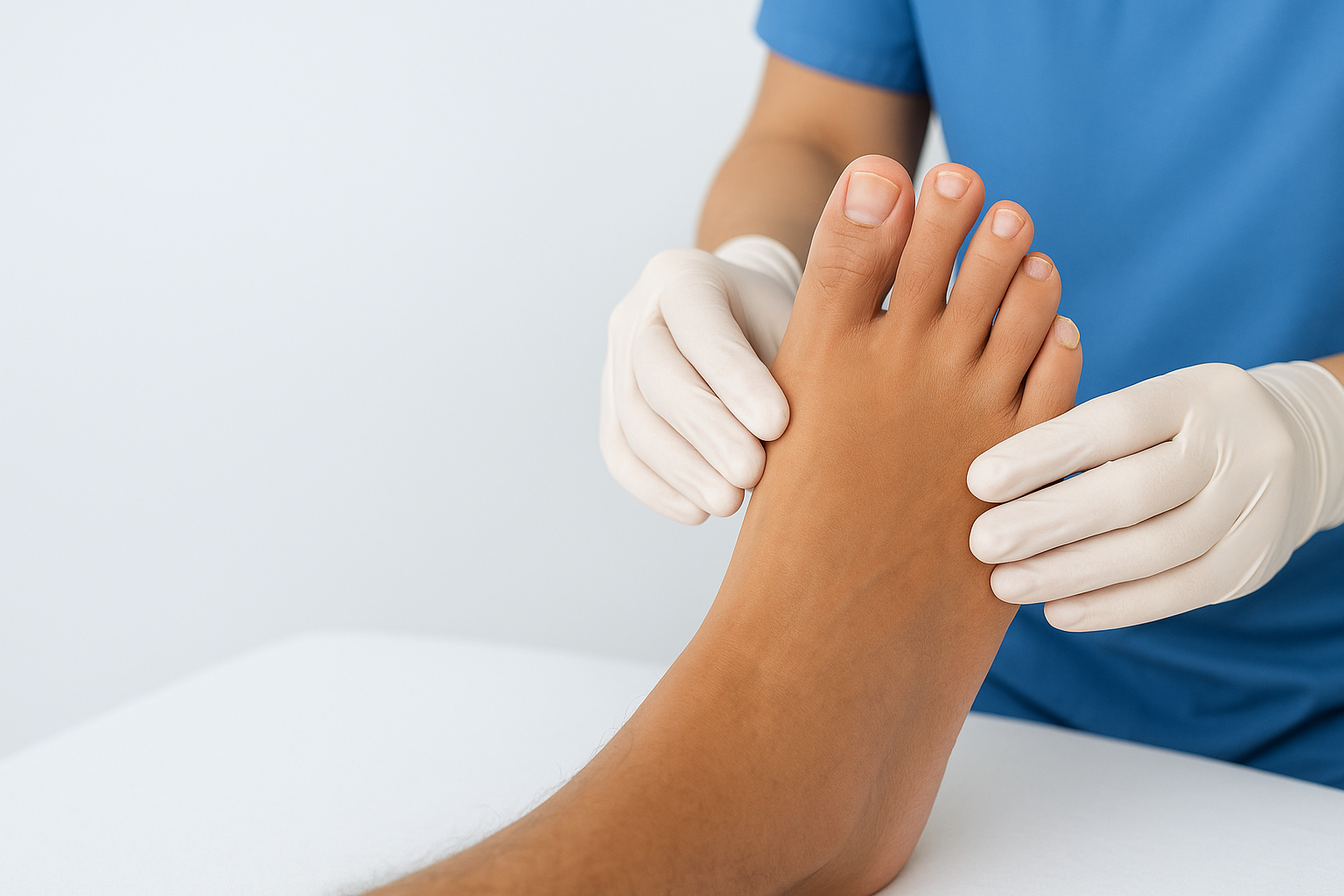
Patients with diabetes and the elderly are at higher risk for foot complications due to nerve damage and poor circulation. Even small wounds can become serious if not properly managed.
Diabetic and Geriatric foot care includes routine exams, nail care, callus management, wound prevention, and education on proper foot hygiene and footwear.
Regular podiatric care is essential for preventing ulcers, infections, and potential amputations.
Fungal Nails & Athlete’s Foot
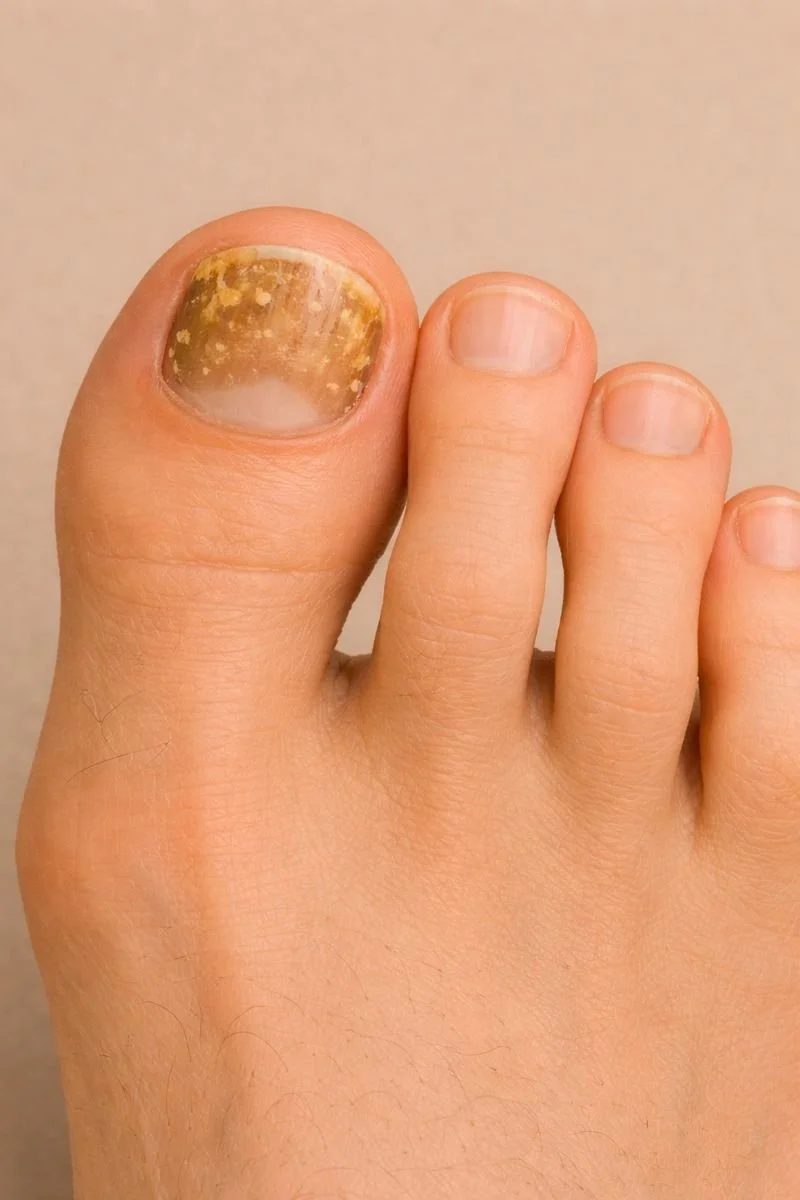
Fungal infections affect the skin and nails of the feet and can cause thickened, discolored, brittle nails or itchy, peeling skin between the toes.
Treatment options include topical medications, oral antifungal therapy, and advanced treatment approaches depending on severity.
Early treatment helps prevent spread and restores healthier skin and nails.
Bunion Deformity
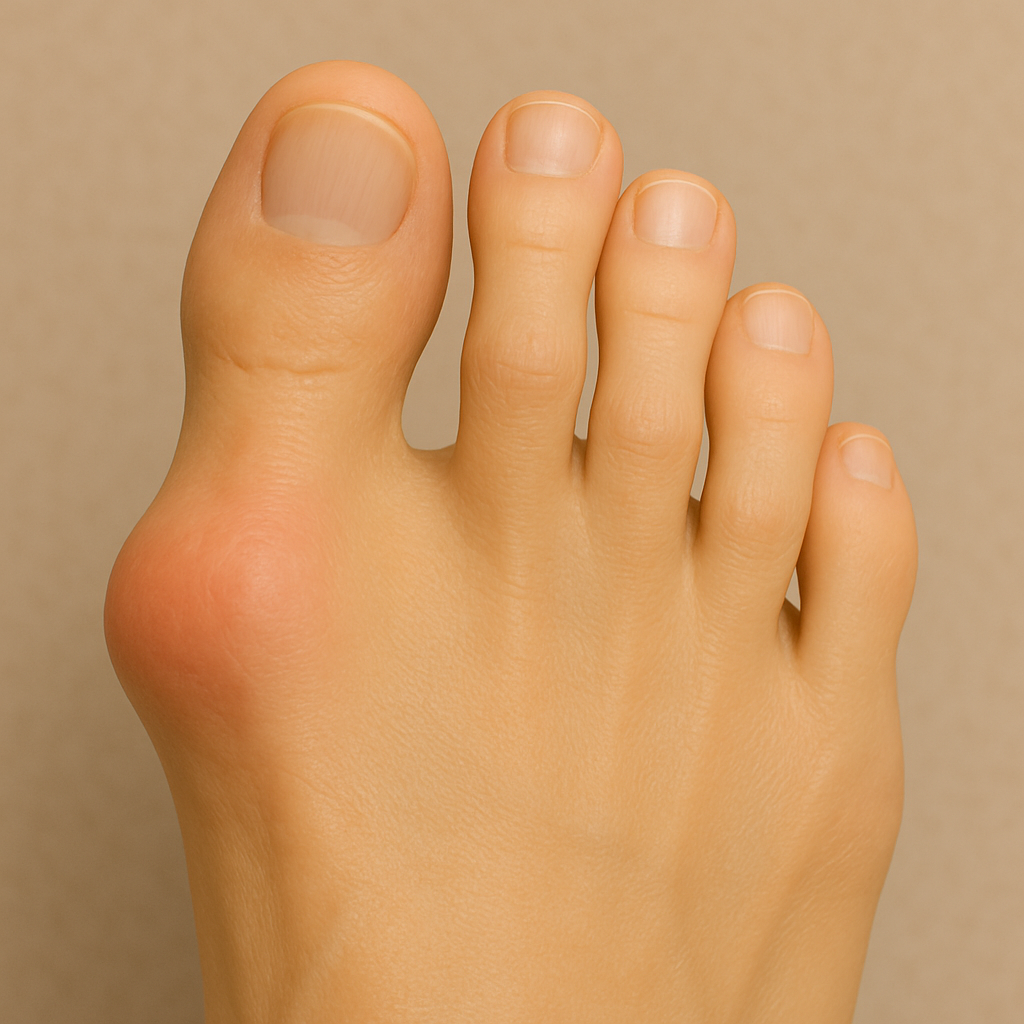
A bunion is a bump that forms at the base of the big toe. This misalignment can lead to pain, swelling, and difficulty wearing certain shoes. Over time, the big toe may drift towards or go over the smaller toes.
Common symptoms include redness, tenderness, and stiffness in the joint. Bunions can worsen if left untreated and may interfere with daily activities and walking comfort.
At Foot Restore Podiatry, we offer both conservative and surgical treatment options depending on severity. Most bunions require no surgical intervention and are treated with shoe modifications, orthotics, padding, and anti-inflammatories, however, when appropriate, corrective surgery may be needed to restore alignment and relieve pain.
Hammertoe Deformity
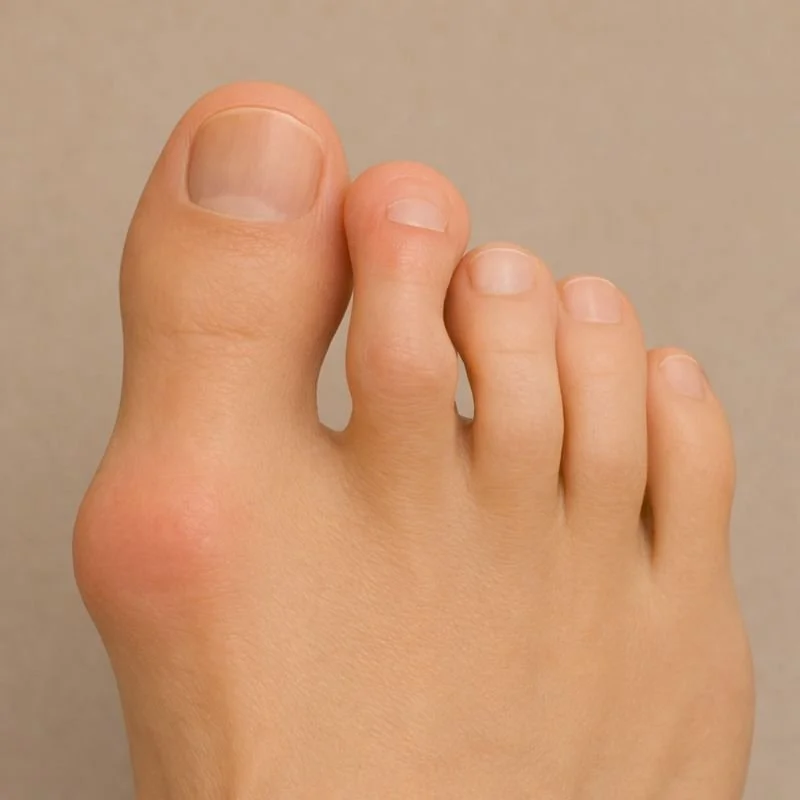
Hammertoe deformities are a condition where one or more toes become bent, causing them to curl downward instead of lying flat. This deformity can lead to pressure points, corns, calluses, and discomfort when wearing shoes.
Early treatment focuses on relieving pressure and preventing progression with shoe changes, splints, and orthotics. In more advanced cases, surgical correction may be recommended to straighten the toe and restore function.
Our goal is to relieve pain, improve toe alignment, and help patients return to comfortable walking.
Plantar Fasciitis (Heel Pain)
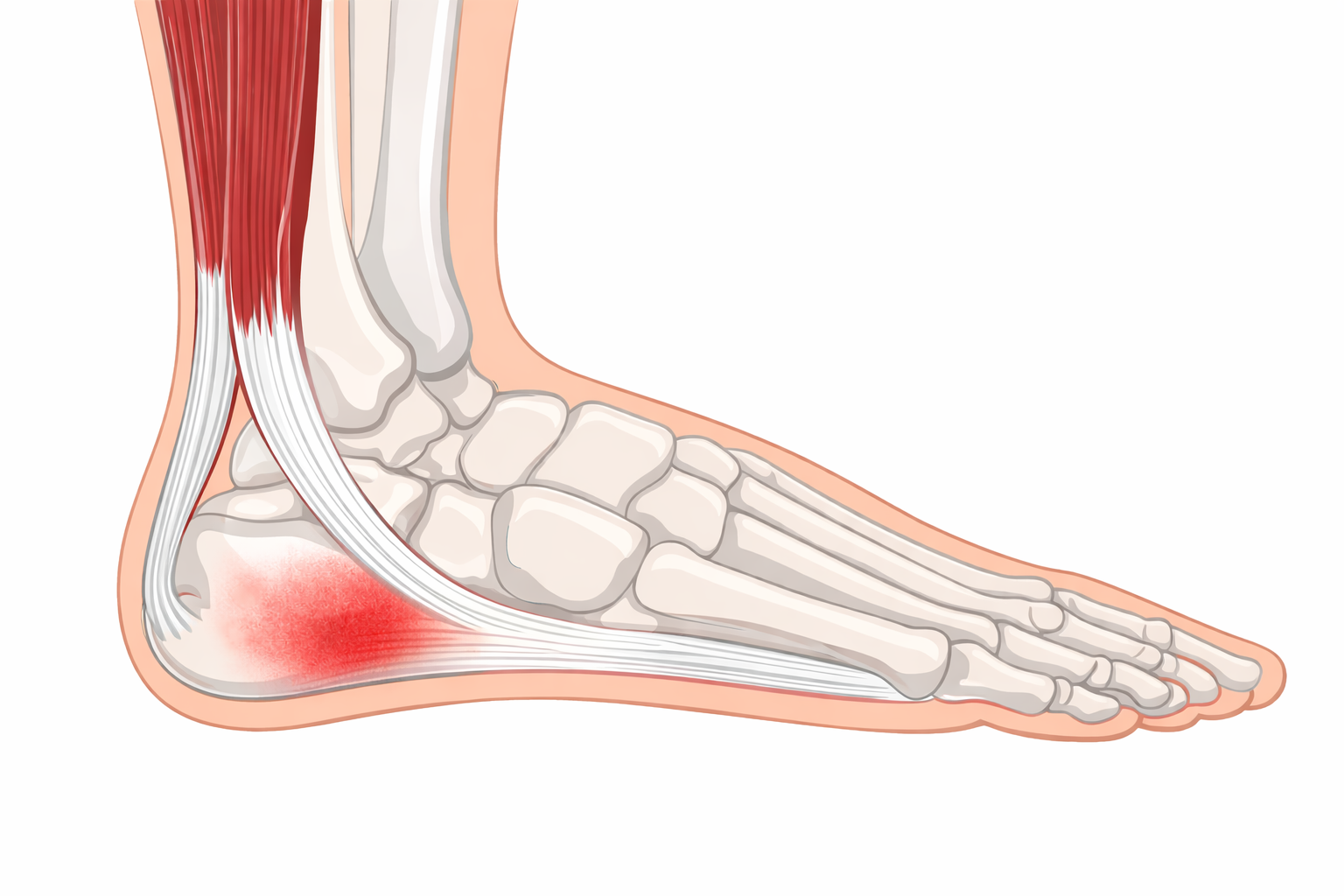
Plantar fasciitis is one of the most common causes of heel pain. It occurs when the plantar fascia ligament along the bottom of the foot becomes inflamed or strained. Pain is often worse with the first steps in the morning or after long periods of standing.
Treatment may include stretching exercises, orthotics, supportive footwear, physical therapy, anti-inflammatories, cortisone injections, and advanced therapies when needed.
With proper care, most patients experience significant improvement and can return to normal activity without chronic pain.
Ingrown Toenails
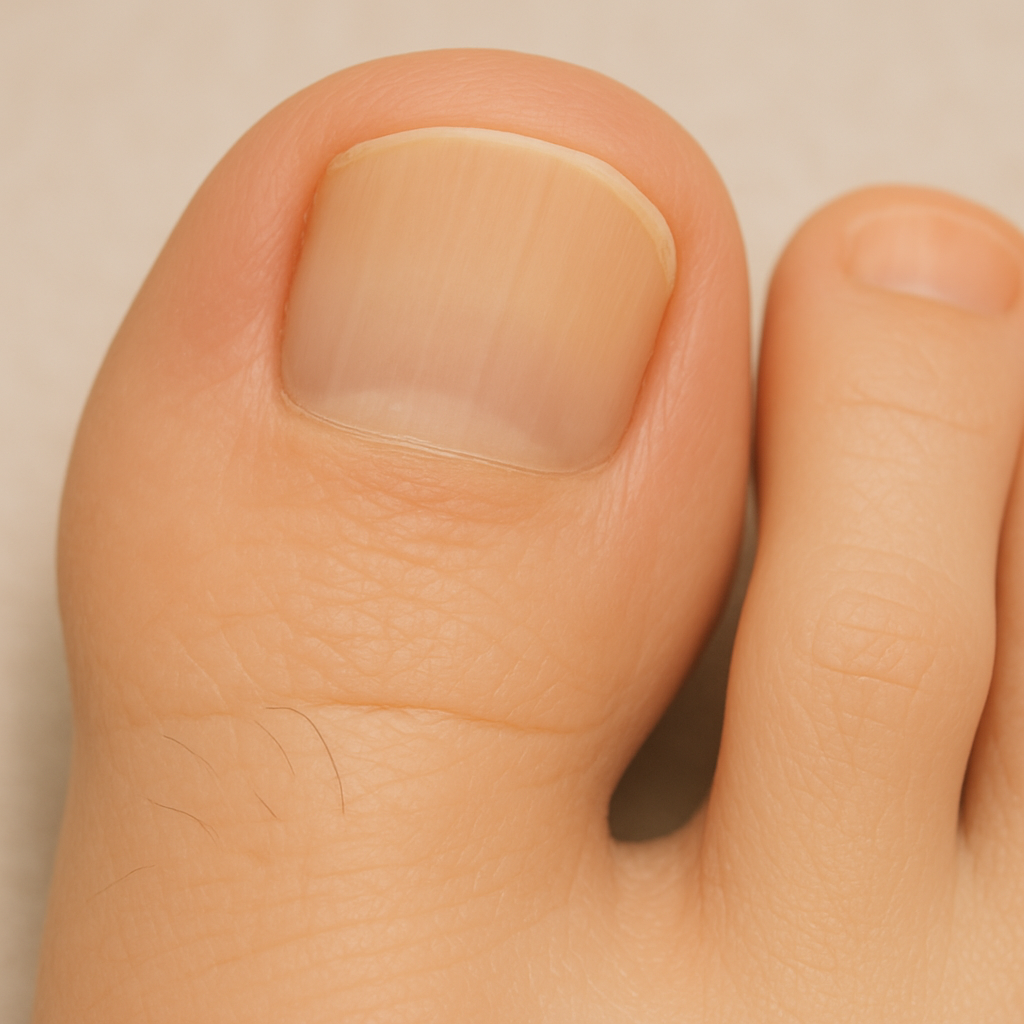
An ingrown toenail occurs when the edge of the nail grows into the surrounding skin, causing pain, redness, and sometimes infection. This condition can make walking and wearing shoes uncomfortable.
Treatment ranges from conservative care to minor in-office procedures that permanently remove the problematic portion of the nail. These procedures are quick and highly effective in preventing recurrence.
Prompt treatment helps prevent infection, recurrence, and long-term discomfort.
Diabetic Foot Ulcers
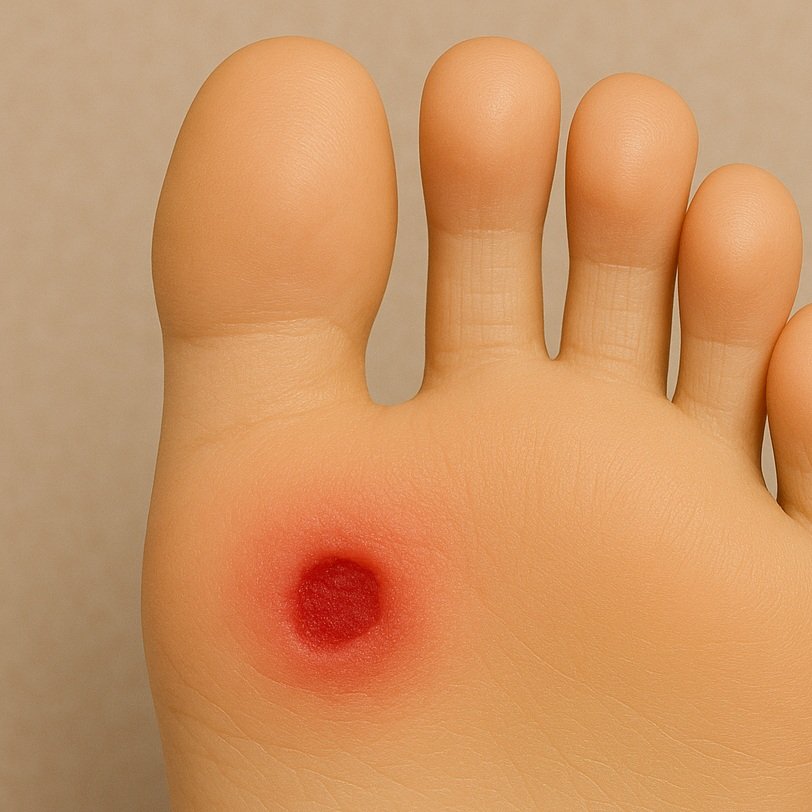
Diabetic foot ulcers are open sores or wounds that develop due to poor circulation, nerve damage, and prolonged pressure on the feet. Because many patients with diabetes have reduced sensation, these wounds may go unnoticed until they become limb threatening.
Without prompt treatment, diabetic foot ulcers can become infected and may lead to severe complications, including hospitalization or amputation.
Treatment focuses on wound care, infection prevention, pressure relief, and improving circulation. Regular podiatric visits and early intervention are essential for healing and preventing future ulcers.
Chronic Ankle Sprains & Lateral Ankle Instability
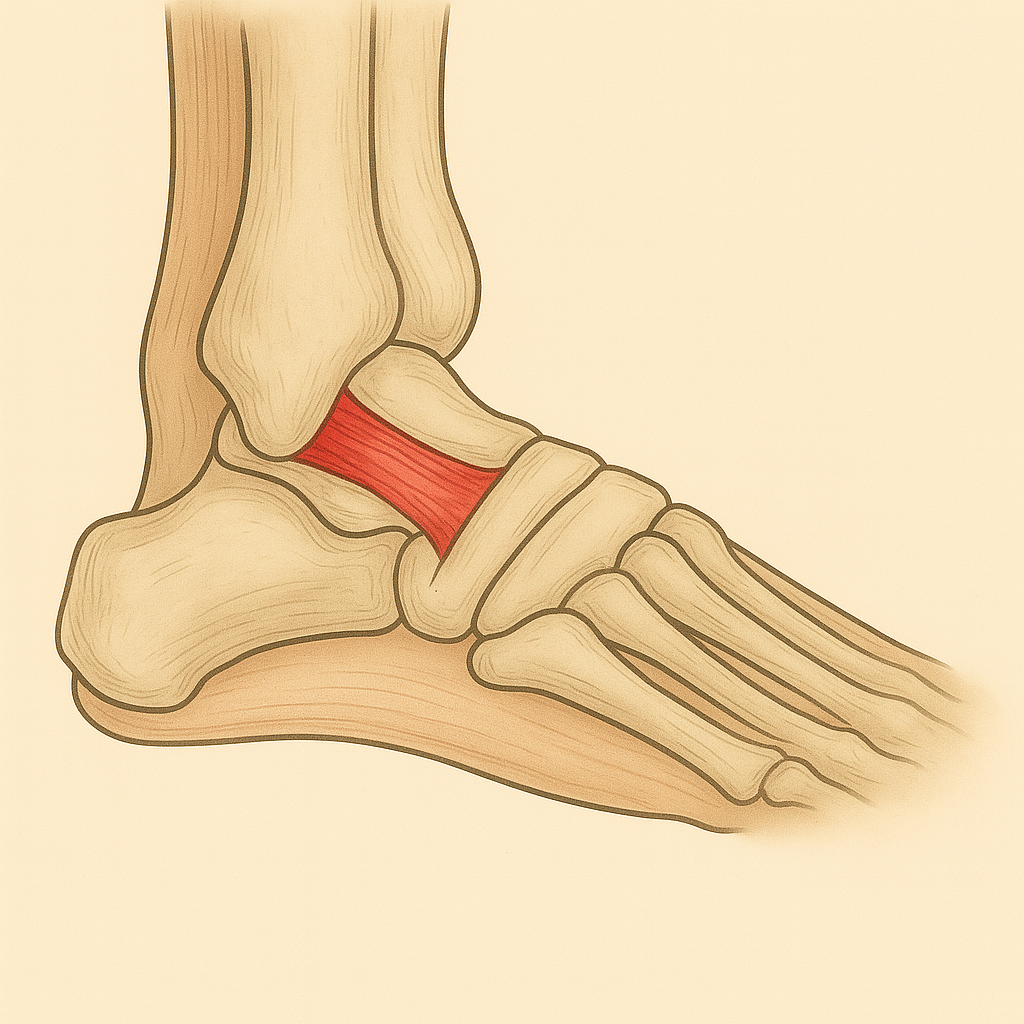
Ankle instability develops when repeated ankle sprains weaken the supporting ligaments, causing the ankle to feel unstable or “give out.” Patients may experience swelling, pain, and difficulty with balance or sports activities.
Treatment may include bracing, physical therapy, orthotics, and strengthening exercises. In severe or long-standing cases, surgical repair of damaged ligaments may be recommended.
Our goal is to restore stability and prevent future injuries.
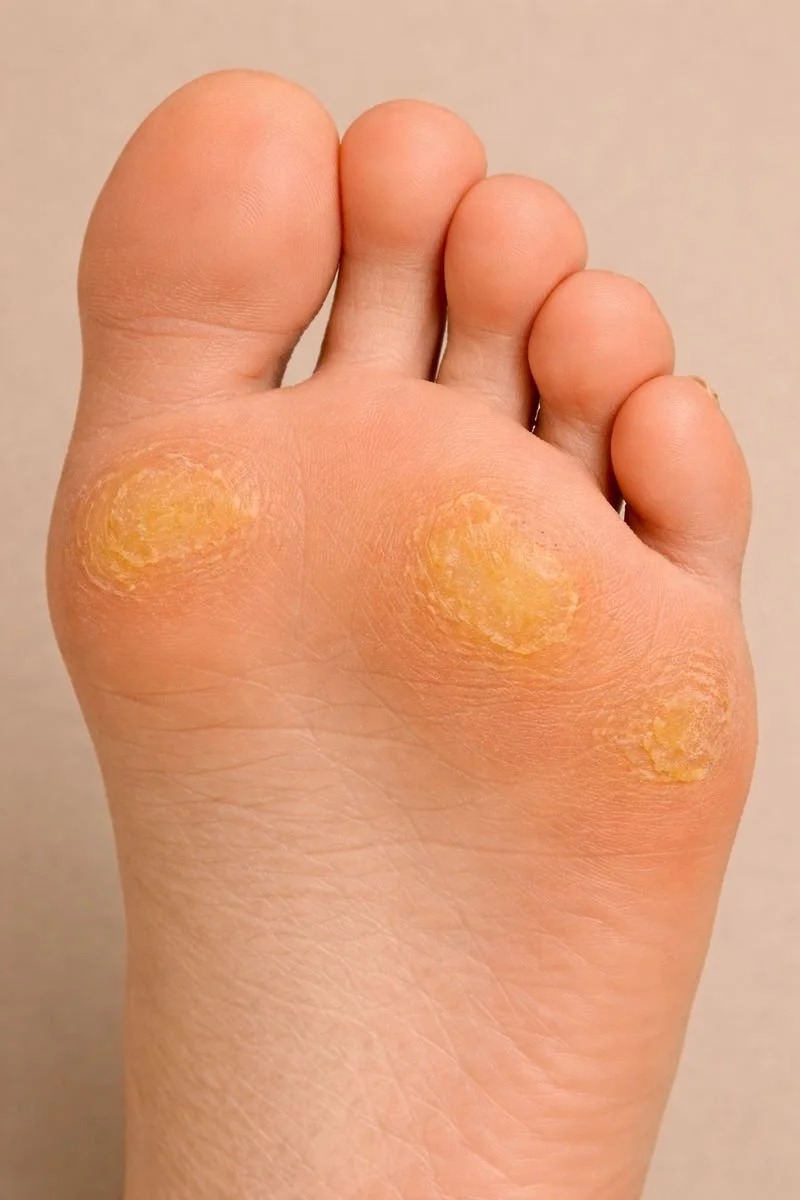
Corns and Calluses
Corns and calluses develop from repeated friction and pressure on the skin, often caused by ill-fitting shoes or foot deformities. They can become painful, interfere with walking, and in severe cases cause ulcerations of the skin.
Professional treatment includes safe removal, pressure relief, footwear evaluation, and prevention strategies. Patients with diabetes or poor circulation should never attempt self-treatment, as this can lead to wounds, infection, or amputations.
We focus on both treatment and long-term prevention for lasting comfort.
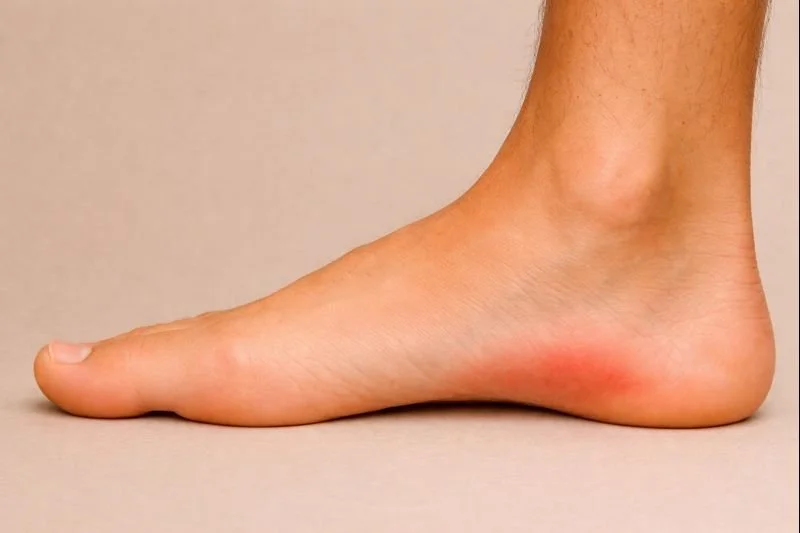
Flatfoot Deformity
Flatfoot deformity occurs when the arch of the foot collapses, leading to improper foot alignment and strain on muscles and joints. This can cause foot fatigue, arch and ankle pain, and difficulty with prolonged standing or walking.
Some people are born with flat feet, while others develop it over time due to tendon weakness, injury, or gradual degeneration. Treatment options range from custom orthotics and bracing to physical therapy and, in some cases, surgical correction.
We tailor treatment plans to restore support, relieve pain, and prevent further progression.
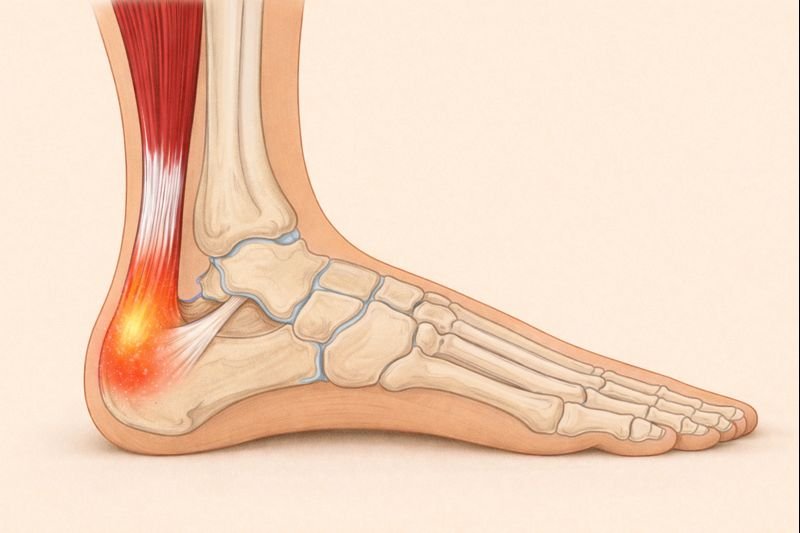
Achilles Tendinitis
Achilles tendinitis is an overuse injury affecting the tendon that connects the calf muscles to the heel bone. It commonly causes pain, stiffness, and swelling at the back of the heel, especially with walking or activity.
Treatment focuses on reducing inflammation and restoring function through stretching, activity modification, supportive footwear, and other conservative therapies. Physical therapy is also an important part of the treatment plan, in particular stretching exercises. Prompt care can help prevent chronic pain or tendon rupture.
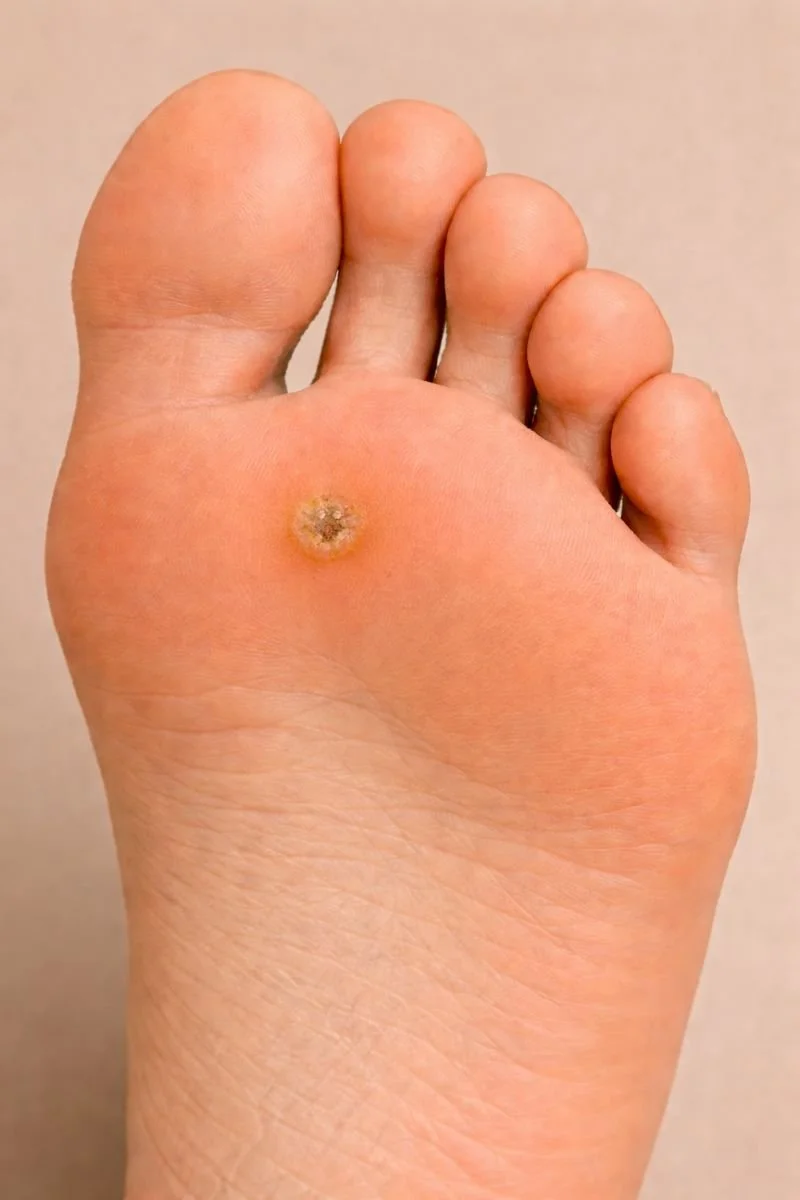
Plantar Warts
Plantar warts are caused by a viral (HPV) infection of the skin and is typically located at the bottom of the foot. It is often painful with walking or standing. They typically appear as thickened skin with small black dots and may be mistaken as a common callus.
Treatment options include topical medications, cryotherapy, and other in-office procedures to safely remove the wart and reduce discomfort. Early treatment is often need to help prevent them from spreading as well as prevent recurrence.
Tailor’s Bunion Deformity (Bunionette)
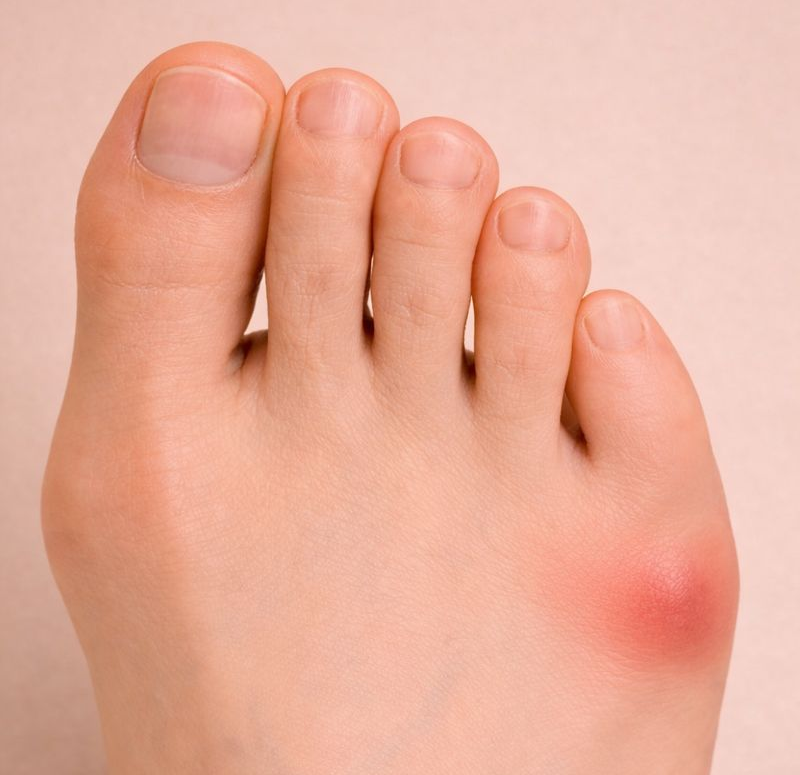
A Tailor’s bunion is a bony prominence on the outside of the foot near the base of the little toe. It can cause pain, redness, and difficulty wearing shoes comfortably.
Treatment options include shoe modifications, padding, orthotics, and anti-inflammatories. In more severe cases, surgical correction may be recommended to relieve pain, improve foot alignment., and reduce foot width
Neuroma (Morton’s Neuroma)
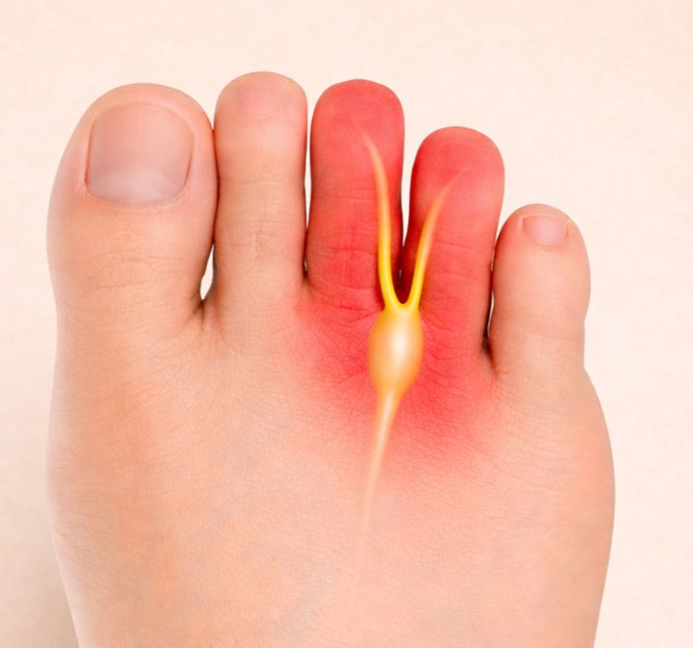
A neuroma is an enlargement of nerve tissue, most commonly between the third and fourth toes. It often causes burning pain, tingling, or the sensation of walking on a small rock.
Treatment may include footwear changes, orthotics with specific padding, anti-inflammatories, and targeted injections to relieve pressure on the nerve as well as inflammation. Early treatment can help prevent worsening symptoms and avoid surgical intervention.
Osteoarthritis
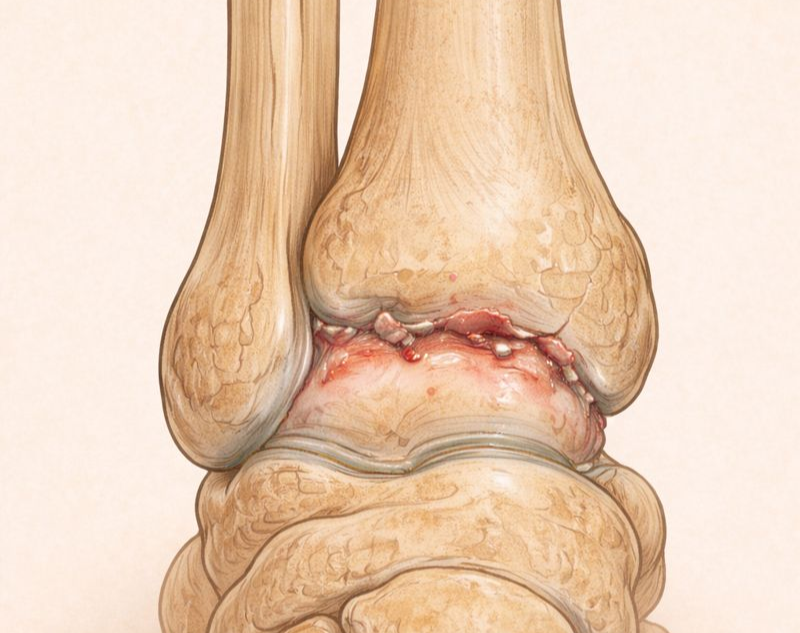
Arthritis of the foot and ankle occurs when joint cartilage wears down, leading to pain, stiffness, and reduced mobility. It may result from aging, injury, or underlying conditions such as inflammatory arthritis.
Treatment is aimed at relieving pain and maintaining joint function through supportive footwear, orthotics, bracing, physical therapy, and medical management. Advanced cases may require further intervention to restore comfort and mobility.
Fracture Care
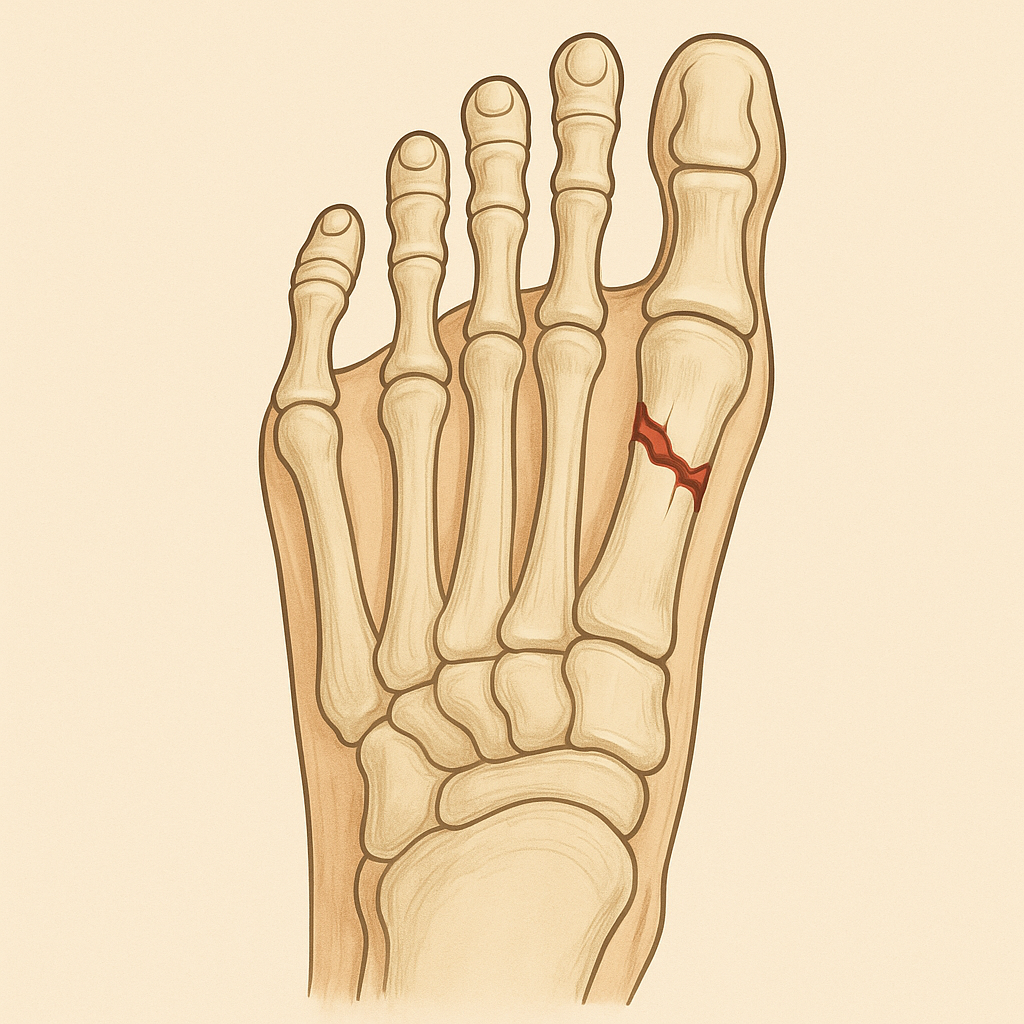
Foot and ankle fractures can result from accidents, sports injuries, or repetitive stress. Symptoms often include pain, swelling, bruising, and difficulty walking or bearing weight.
Proper evaluation and treatment are essential for successful healing. Management may include immobilization, protective boots or braces, offloading, and close monitoring of recovery. Early care helps prevent complications and ensures the best possible return to normal function.
Sports Medicine
Sports-related foot and ankle injuries are common in both athletes and active individuals. Conditions such as sprains, tendon injuries, stress fractures, and overuse injuries can affect performance and daily activities.
Treatment focuses on accurate diagnosis, injury prevention, and safe return to activity. Care may include supportive footwear, orthotics, rehabilitation, and personalized treatment plans designed to restore strength, stability, and mobility while minimizing the risk of future injury.

Peripheral Arterial Disease (PAD)
Peripheral arterial disease (PAD) occurs when narrowed or blocked blood vessels reduce circulation to the legs and feet. Poor circulation can lead to pain, slow wound healing, skin changes, and an increased risk of infection or ulcers.
Early diagnosis and treatment are critical to maintaining foot health. Management focuses on improving circulation with a vascular surgeon, preventing wounds, and monitoring for complications. Regular podiatric care plays an important role in protecting patients from serious foot problems and preserving mobility.